
Let’s face it “Team-Building” has become corporate code for forced small talk and lukewarm coffee in a beige conference room. Your coworkers don’t want to build spaghetti towers or fall backwards into each other’s arms while pretending that’s a meaningful trust exercise. They want something cool. Something memorable. Something different. Something that has been the way numerous civilizations have survived and developed. Something that is still ingrained in our DNA. Swords.
Enter: The Sword Experience.
Yes, it’s real. No, you don’t have to be a medieval reenactor or closet ninja to do it. But if you’ve ever wanted to give Steve from accounting a totally safe, choreographed smack with a bokken while laughing about footwork—this is your moment.
Sword fighting might seem like a strange office bonding strategy, but under the dramatic swings and cinematic flair lies a surprisingly effective toolkit for workplace success. Because nothing says “trust” like standing opposite someone with a weapon and relying on them not to accidentally thwack your elbow.
However, the most important thing that sword fighting teaches you and your staff is the ability to understand the difference between an opponent and a partner. it’s one of the most common comments we get when hearing from companies and individuals who take our corporate events.
So let’s delve into how sword training slices through awkwardness and builds actual team connection:
1. Instant Trust (or Mild Peril-Driven Bonding)
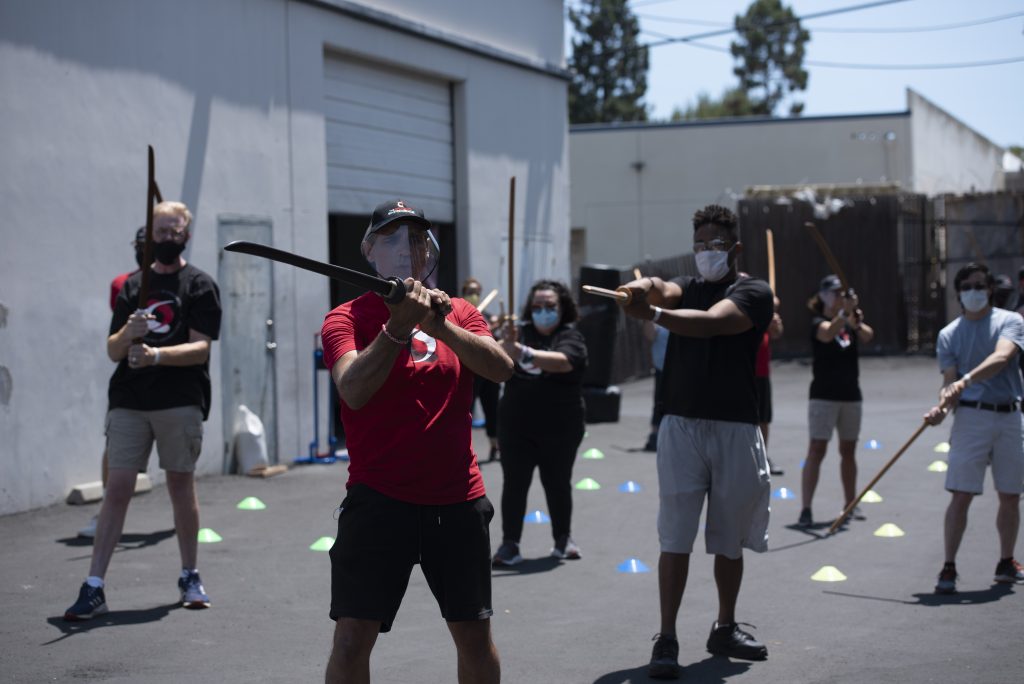
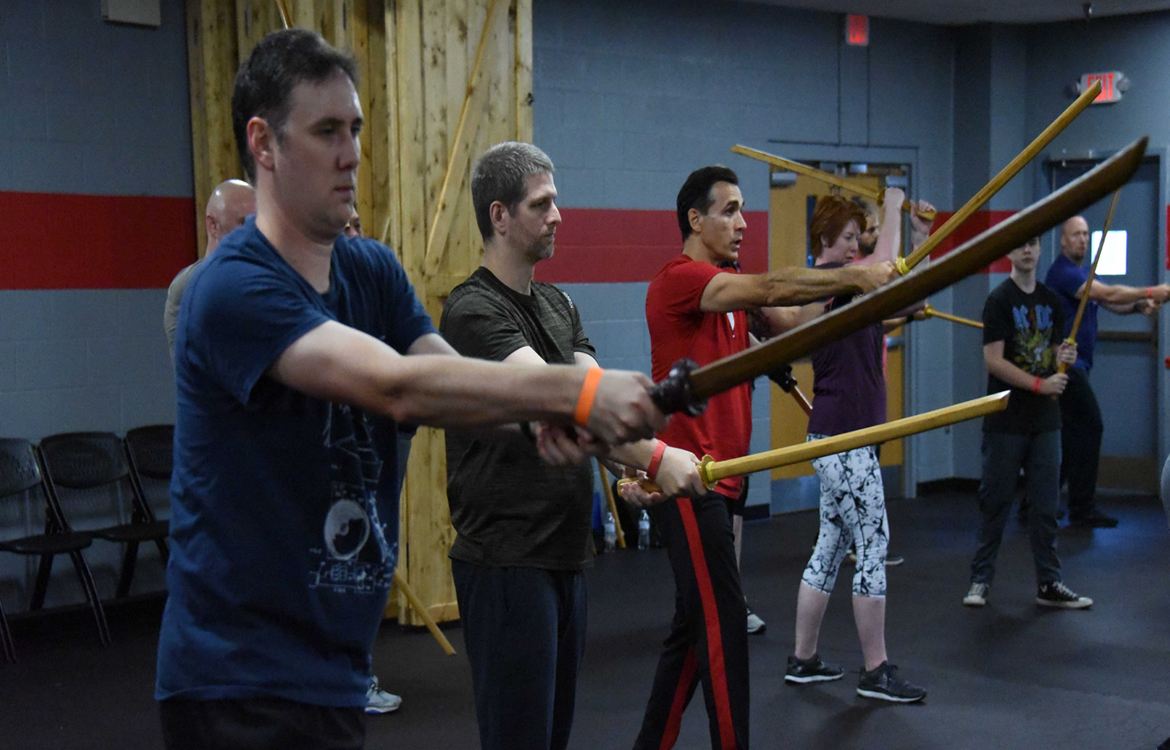
Sword choreography requires more than just swinging sticks around—it demands timing, awareness, and actual communication. One of the reasons we work with an attack and defense numbering system , so that you and your partners understand how and when to strike or defend. Then, you have to listen to your partner’s cues. You have to watch their movements, so that not only will you both make the sequence look cool and realistic, but you accomplish this by learning to work together, not just side-by-side, but in sync. Suddenly, your team isn’t just a Slack channel. It’s a unit.
2. Shared Vulnerability (in Matching Foam Gear)
Nothing levels the office playing field like watching your boss mess up a sword combo. When everyone’s learning together—messing up together, laughing together—it breaks down those stiff professional walls. You’re not manager and intern anymore. You’re co-warriors, desperately trying not to trip during an attack, spin or simple defensive movement. It brings you closer to your co workers and maybe, just maybe, you’ll be able to reference the aspects you learned, not only in your every day life, but in your work environment.
3. Physical Engagement Beats PowerPoint Fatigue
Sword Experience events get people moving. It is probably the best non weight bearing, physical workout that there is. It’s not a passive lecture. It’s a full-body, immersive workout disguised as fun, that tests your legs, arms and every part of your body. Take just the swing for instance. Not only are the wrists, elbows, forearms, shoulders and back engaged, but if you do it correctly with the footwork, you’ll leave with a great cardio workout, that you didn’t realize you were doing. Employees leave energized, not drained. (And possibly sore in some deeply confusing muscles.)
4. Real Communication, Minus the Buzzwords
Sword choreography forces clear, direct, and instant communication. No corporate jargon. No “circling back.” Just “You step left, attack right, I duck left, then we’ll clash and make it epic. ” Teams who train this way start talking differently—more openly, more effectively. Plus, they become more creative. How? Well, once the rigid direction of the strikes are safely learned, the creative part of swordplay begins to happen in between the choreography. Adrian always gives the example of watching an action movie. During the action scenes you see the amazing effects, stunts and movements, but really, you are watching the interplay between the characters. So, when you start putting your own spin on the beats in between the sword play, you’re effectively tapping into your creative side, which later translates into the workplace, or at home, by accessing a part of the brain that solves problems. Also, people use way more sound effects than in meetings so they have way more fun. Win-win.
5. Memories That Don’t Involve a Zoom Call
People don’t remember another budget meeting. They do remember locking blades with Cheryl from sales, while a former Highlander actor gives them tips on form, communication and movement. Sword fighting doesn’t just create skills—it creates stories. And stories are what build teams that last.
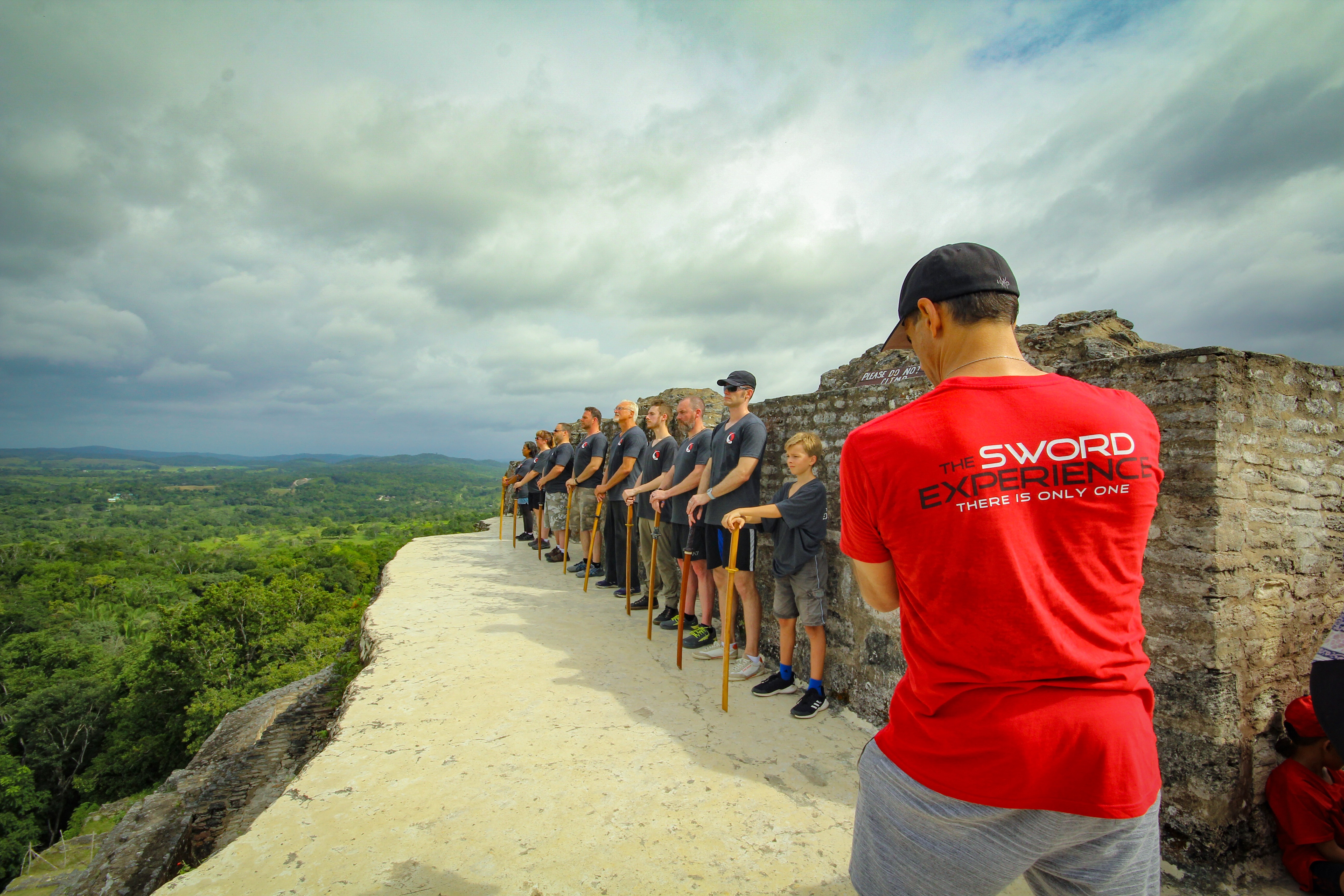
So, the next time you’re planning a company retreat, skip the trust falls and vision boards. Bring your team to a Sword Experience event instead. Let them sweat. Let them laugh. Let them duel (safely). Because when the swords come out, the walls come down—and that’s when the real teamwork begins.
No approved comments yet.

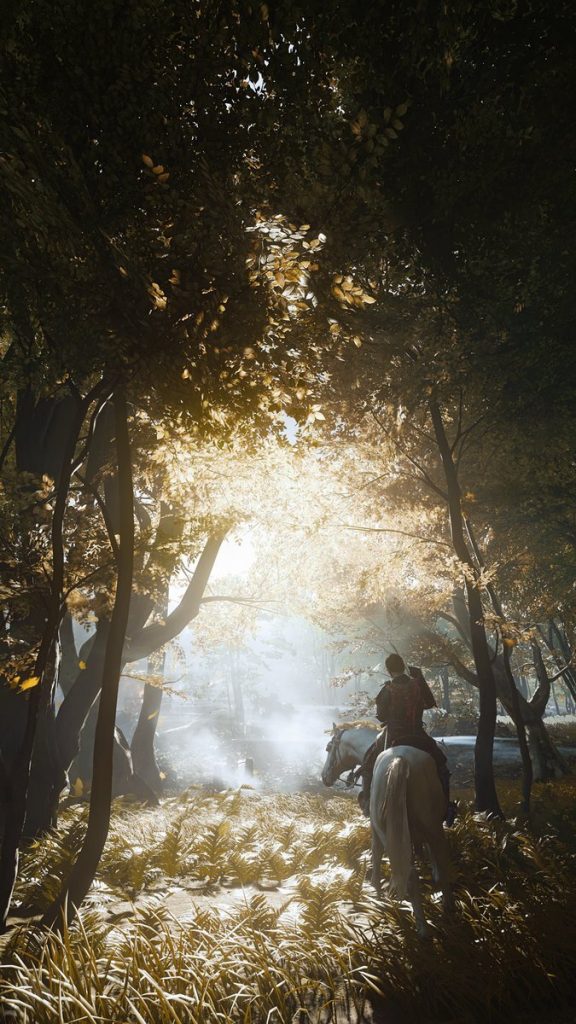 Ghost of Tsushima is an open world Action-Adventure game from Sucker Punch Productions. Set in 13th Century Japan on Tsushima Island, the game centers around a young samurai warrior, Jin Sakai, as he comes face to face with a Mongolian invasion led by the dangerous and brutal Khotun Khan. After a devastating defeat at the hands of the Mongols, and with Jin’s uncle, Lord Shimura captured, Jin must adopt less traditional means of a samurai to stop this devastating force and free his people from Mongol rule.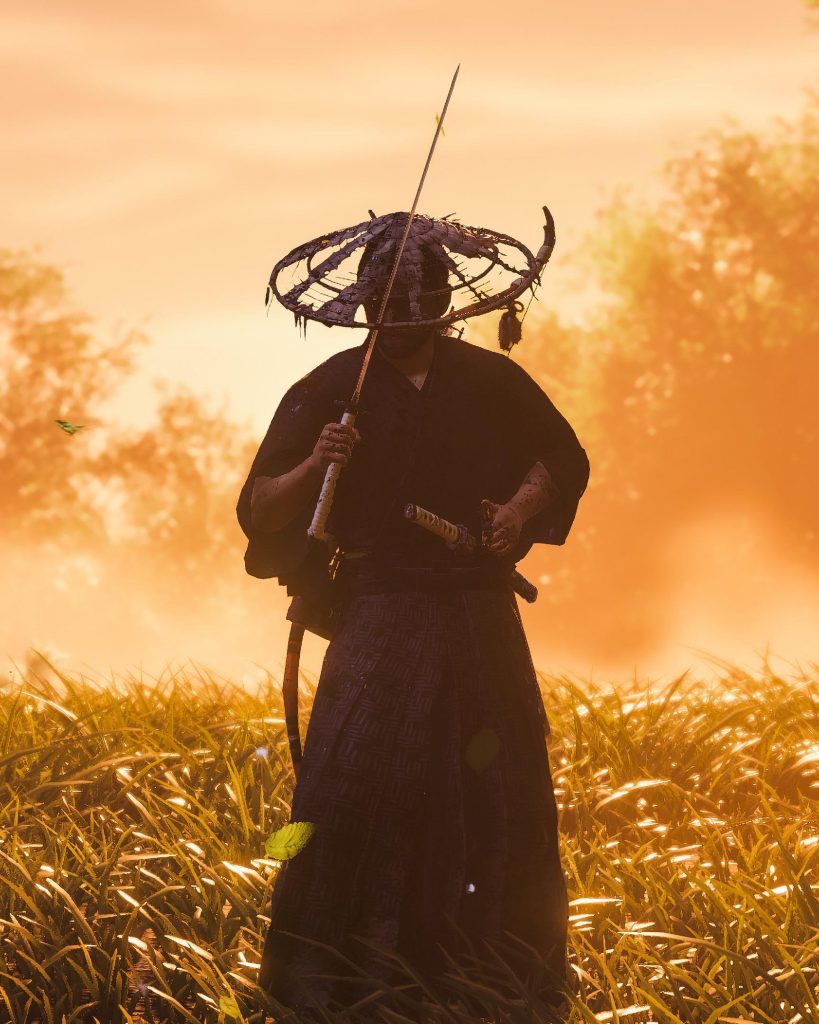





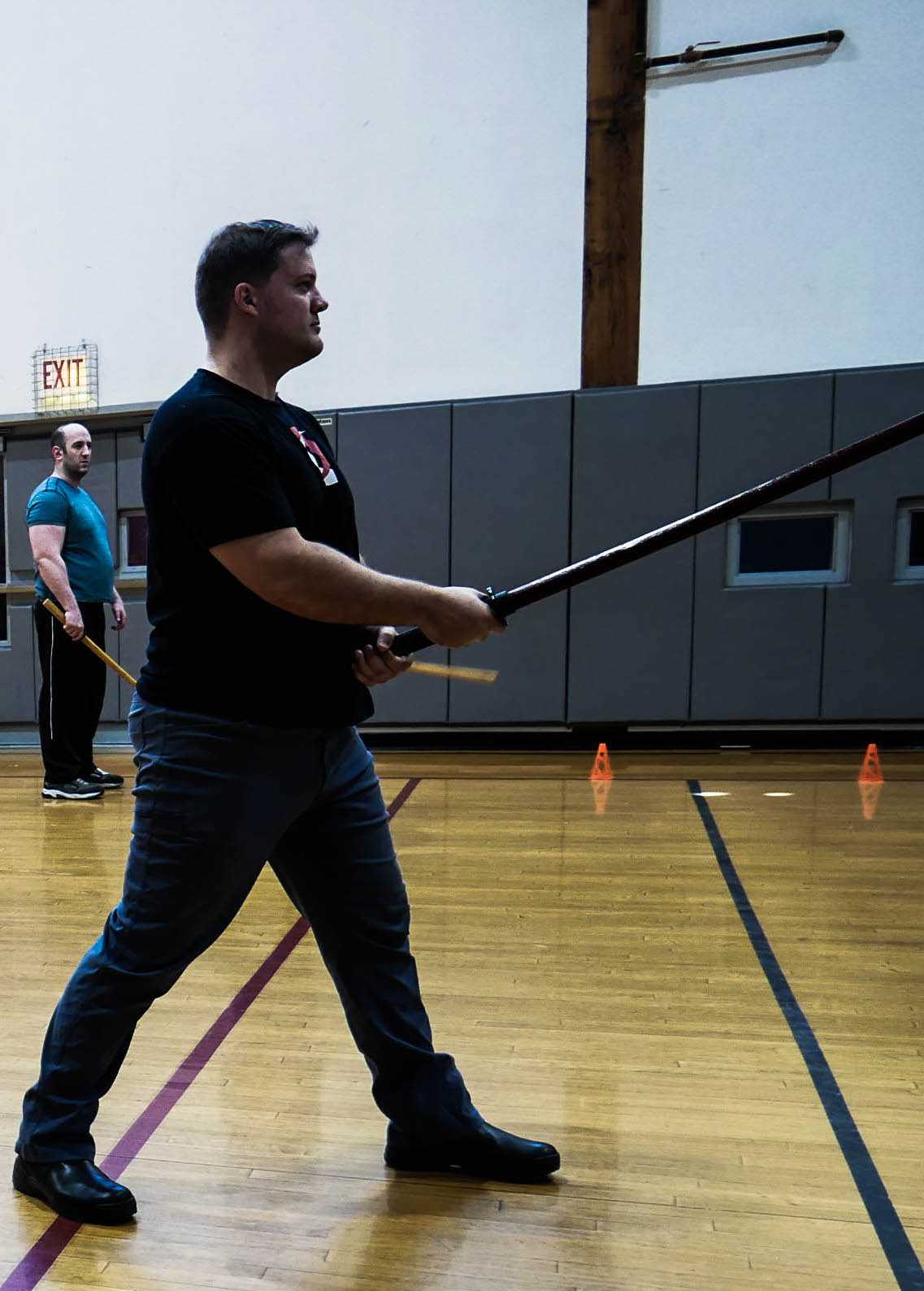



 I went to college in Philadelphia, and lived there for about 9 years before I made my way to Texas in 2010. Perhaps fittingly, my martial arts background is as varied as the places I’ve lived. In my hometown, several friends and I got into ‘boffer’ fighting – we’d take PVC pipes, wrap them with pool noodles and duct tape, and make swords. This was little more than a bunch of guys hitting each other with padded sticks, but definitely solidified my love for weapon combat. In Philadelphia I took classes at Zhang-Sah Martial Arts, in a system that combined multiple styles into one; we studied a mix of Tae Kwon Do, Karate, Judo, and Aikido. I studied with them for 5 years, and was able to receive my black belt. During this time, I also was exposed to SCA (The Society for Creative Anachronism) combat, and did their heavy fighting (rattan weapons, metal armor) for about 3 years as well. There was an unfortunate lull in my training from when I moved to Texas until I found HEMA, but in 2014 I met some crazy guys in a park, swinging metal swords at each other, and was hooked.
 To me, this is part of him defining his system, saying that you need to be able to wrestle, that you should be able to fight with a polearm, a spear, a sword and a knife. Only after that, do we teach you how to use longsword. This also is a large reason why our classes are set up the way they are. However, if all we had was this poem, we’d be in a lot of trouble. His verses areintentionally vague and confusing. If you know what he’s talking about, it’s clear, but if you don’t, it’s all but useless. Fortunately, some of his students wrote their own manuscripts, or fechtbooks. These are glosses of the zettel, where they will transcribe the poem, but then have multiple plays describe what the passage means. It is from these plays that we are able to begin to understand the art of fencing as Lichtenauer describes it.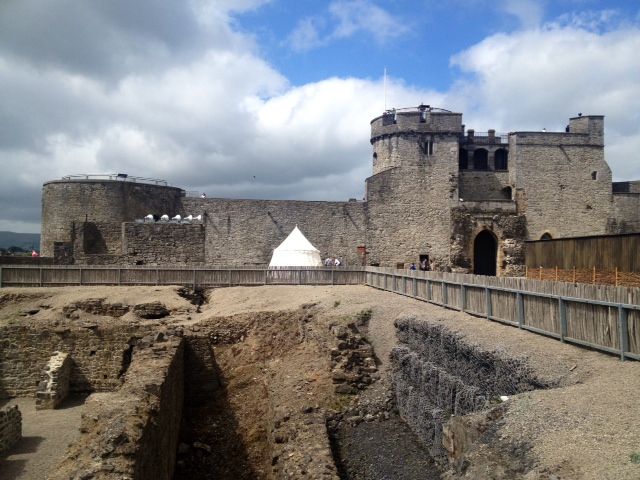
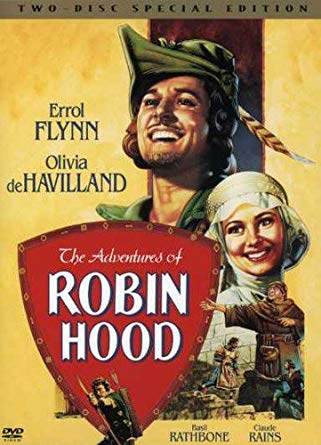
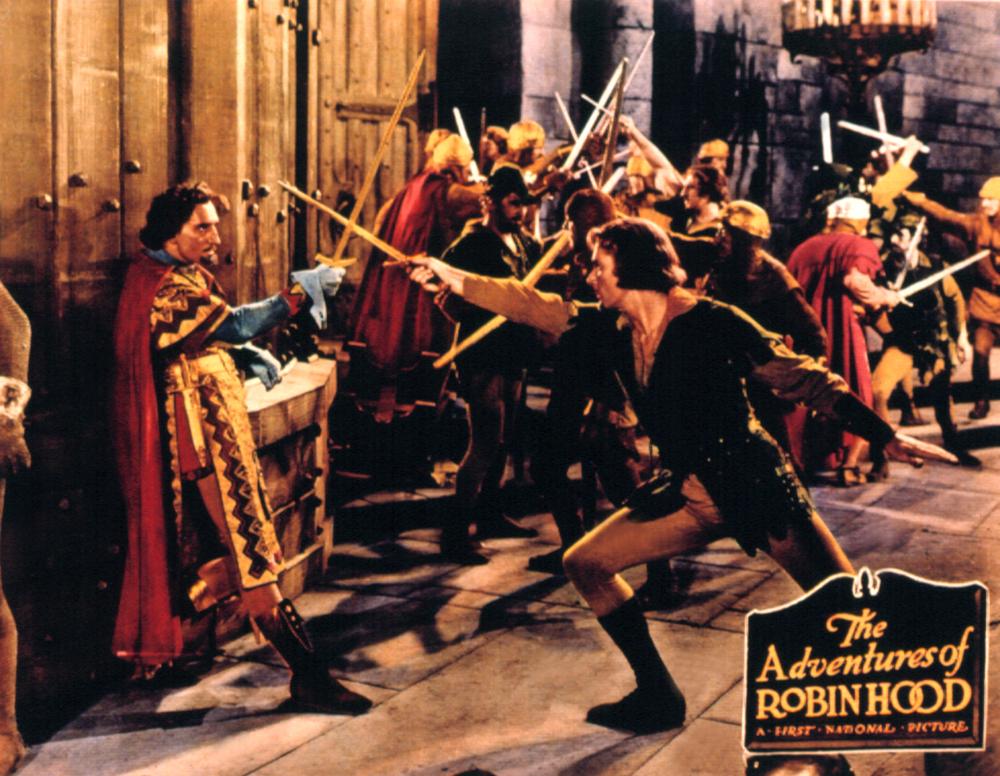 Cravens had a specific vision for how the sword fights would play out on film. He choreographed the fights as a sort of dance between swords with counts and phrases. The fencing techniques in the film were ahead of their time and were eventually incorporated into real fencers’ repertoire of moves. When put to film, Cravens choreography reached an epic scale as the cinematography captured every glorious parry and lunge creating one of the most iconic sword fight scenes in cinema history that is both grand and intimate. Errol Flynn’s depiction of Robin Hood became such an instant hit, that his image of Robin Hood became a part of the world’s collective conscious. When most people think of Robin Hood the image that pops into their head is that of Errol Flynn’s costumed Robin Hood. This image has been often parodied or imitated in countless films including Disney’s 1973 animated film Robin Hood. In 1995, the film was selected by the Library of Congress for preservation and was placed in the National Film Registry. It is these reasons that Adrian Paul chose The Adventures of Robin Hood for the choreographed sword fight you will learn on the grounds of King John’s castle in Ireland.
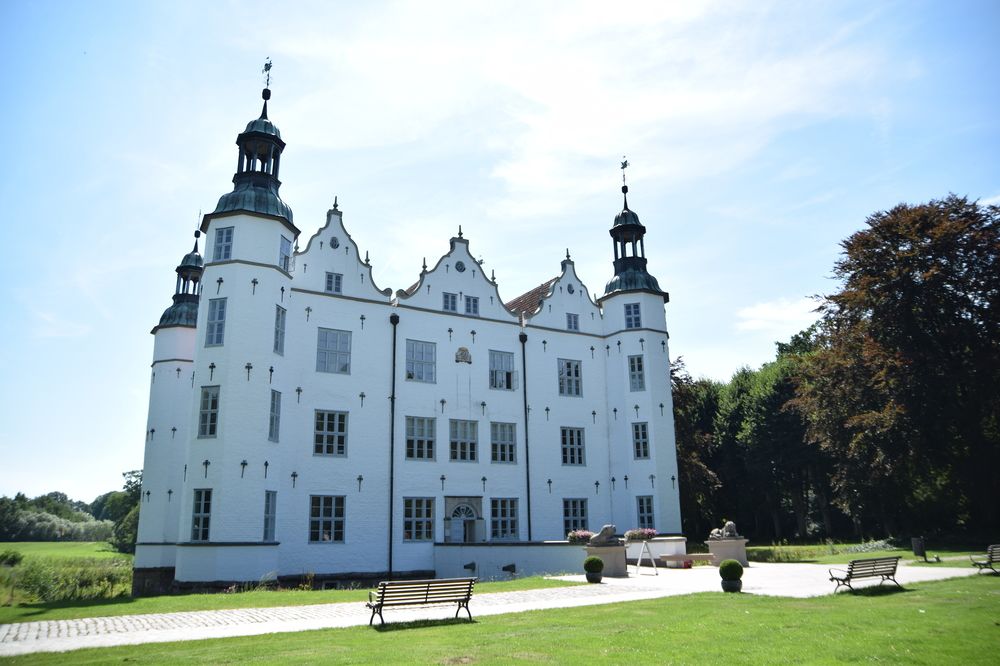
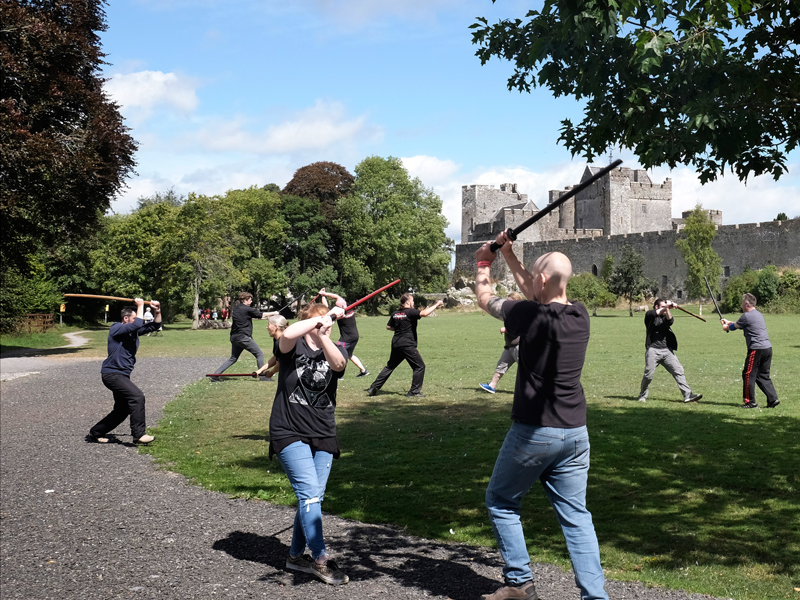 You’ll also meet like-minded world travelers,whoshare your love of physical fitness, travel, and film. Who knows, like many of our past experiences, you too mightform newfound friendships with people from all across the globe! So why wait for next year? Ireland maybe a stone’s throw away for some but even if it isn’t, travelling to Ireland is an experience to remember. Personally, becoming the hero of my own Robin Hood story and takingmy next travel adventure to the next level with a The Sword Experience trip to Limerick, isn’t something I would want to miss.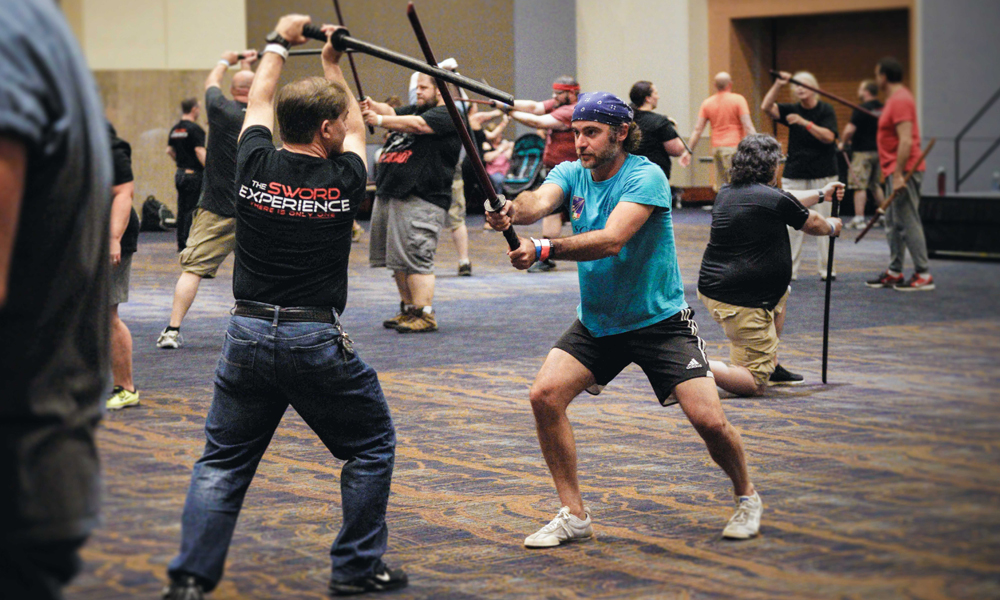
Leave a Reply