Musketeer Highlights for July 2019
It’s that time of the month again, where we put the spotlight on those Musketeers that have gone above and beyond the call of duty for us here at the Sword Experience. These Musketeers have taken it upon themselves to help us continue to deliver the best fitness and travel event around. Many of you have helped us over the past month and we have noticed your effort and dedication to the Sword Experience.
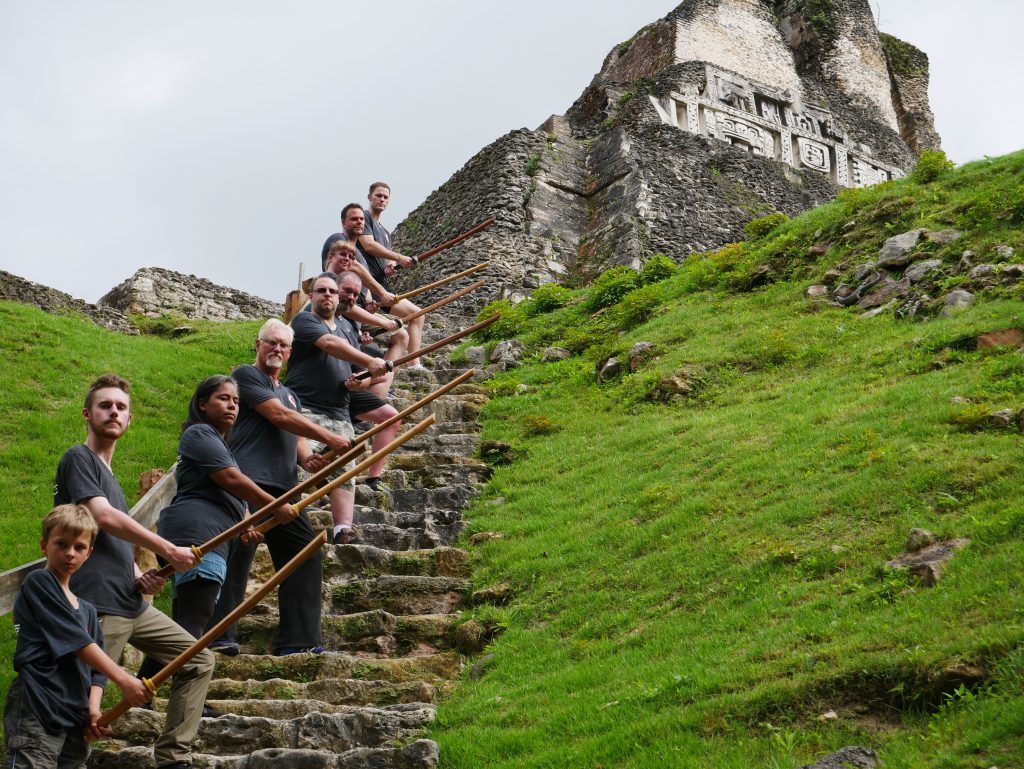
Our Musketeer for the month of July is the fabulous Ulrike Gaate. Frau Faate was an integral part of the success of our most recent Retreat Experience in Germany. Ulrike helped us find the beautiful Ahrensburg castle and helped Adrian on a daily basis during the event itself. She even helped us lock down a wonderful photographer for the weekend. She helped promote the event leading up to the retreat and generated a lot of buzz for the Sword Experience. With all these things in mind, Ulrike Gaate is the months top Musketeer. From all of us here at the Sword Experience, thank you Ulrike!
As like in our previous months, it is never an easy decision to pick our top Musketeer. This month we have two honorable mentions. First up is Launi Pettersson. Launi has continued to expose more people to the Sword Experience through social media. She shared discount codes and we always love when we can help save people money. Second is Chris Fields. Not only is Chris a very active on all of our social media platforms, but most importantly Chris has helped contribute to the blog with his Perfect Sword pieces. Thank you so much for all you do Launi and Chris, and keep up the fantastic work.
If you haven’t seen your name mentioned in our Musketeer Highlights, do not get discouraged. We have noticed your hard work month after month and we appreciate all that you do for us. Your dedication to the Sword Experience may just be recognized next month.
The Perfect Sword Conclusion
During the Middle Ages of Europe, Asia saw a different progression of sword crafting happening. The traditions and cultures of Asia took these societies down different paths. Chain mail armor became common, but never as common as it was across Europe. Lamellar armor, sections of plates woven together, similar to Roman armor, became more common in many areas of Asia, especially China, and became a mainstay, for the most part, all the way up into 16th and 17th centuries. It is thought that ease of construction and better textile availability may have led to this long period of similar armor designs.
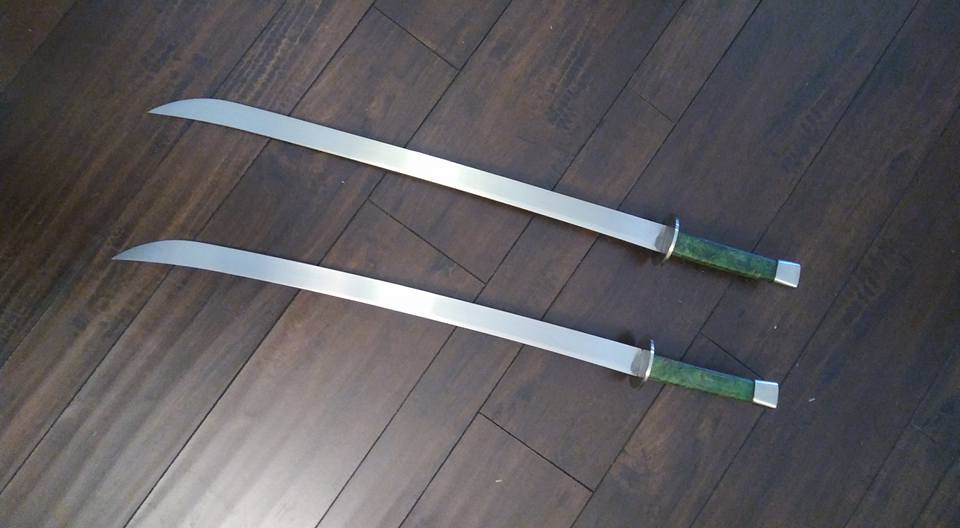
The cultures, arts, and traditions of the warriors, as well as the sword makers themselves, kept sword design somewhat similar through this period through Asia as well. Even though hardened and tempered steel was common all over Europe, the sword art of blending various steels together to create a layered steel blade stayed prominent in much of Asia. This led to these types of blades being typically shorter and thicker, and therefore stiffer than their European counterparts typically. Sword usage was also somewhat different than that of Europe.
Although still a backup weapon to the spear or polearm, for the most part, sword techniques used much more flat parries and deflections, and thus guards on Asian swords tend to be rounder disk-like shape, instead of the European style crossguard. When shields were being used in combat, swords had smaller guards and were single-handed. When shields weren’t used, swords had larger guards and longer handles for two-hand use. The Chinese Jian and Dao swords of the Ming and Qing dynasties, as well as the famous Japanese Tachi and Katana, all come from this time.
With the advent of firearms like the musket and the prominence of gun powder growing in the late 15th and 16th centuries, we yet again see a major change in sword design. Note however, again, sword design change seems to lag change in armor design in this time. The musket essentially made plate armor obsolete. Since plate armor was dying off, the sword’s design to be used against it also started dying off. And swords shifted from a backup weapon to the polearm, to the backup weapon of the firearm.
Armor now reverted back to more textile-based, and sword design changed to be suited for this type of armor, or lack thereof. Here is when we see the designs of the cutlass/sabers and rapiers and eventual small swords become prominent. These split off based on design intent, with the cutlass and saber being focused on cutting, and the rapiers and small swords being focused on thrusting.
A few sabers and rapiers had a good capability for both cutting and thrusting, but due to the war tactics of the times, usually, one was preferred over the other. These preferences depended on the preference and tactics of the individual military groups. And for civilian use, the dueling sword became prominent, which is the small sword. This is one of the view examples of a sword being the primary weapon, but as a civilian sidearm and not a weapon of war. On the battlefield, the same blades were secondary weapons.
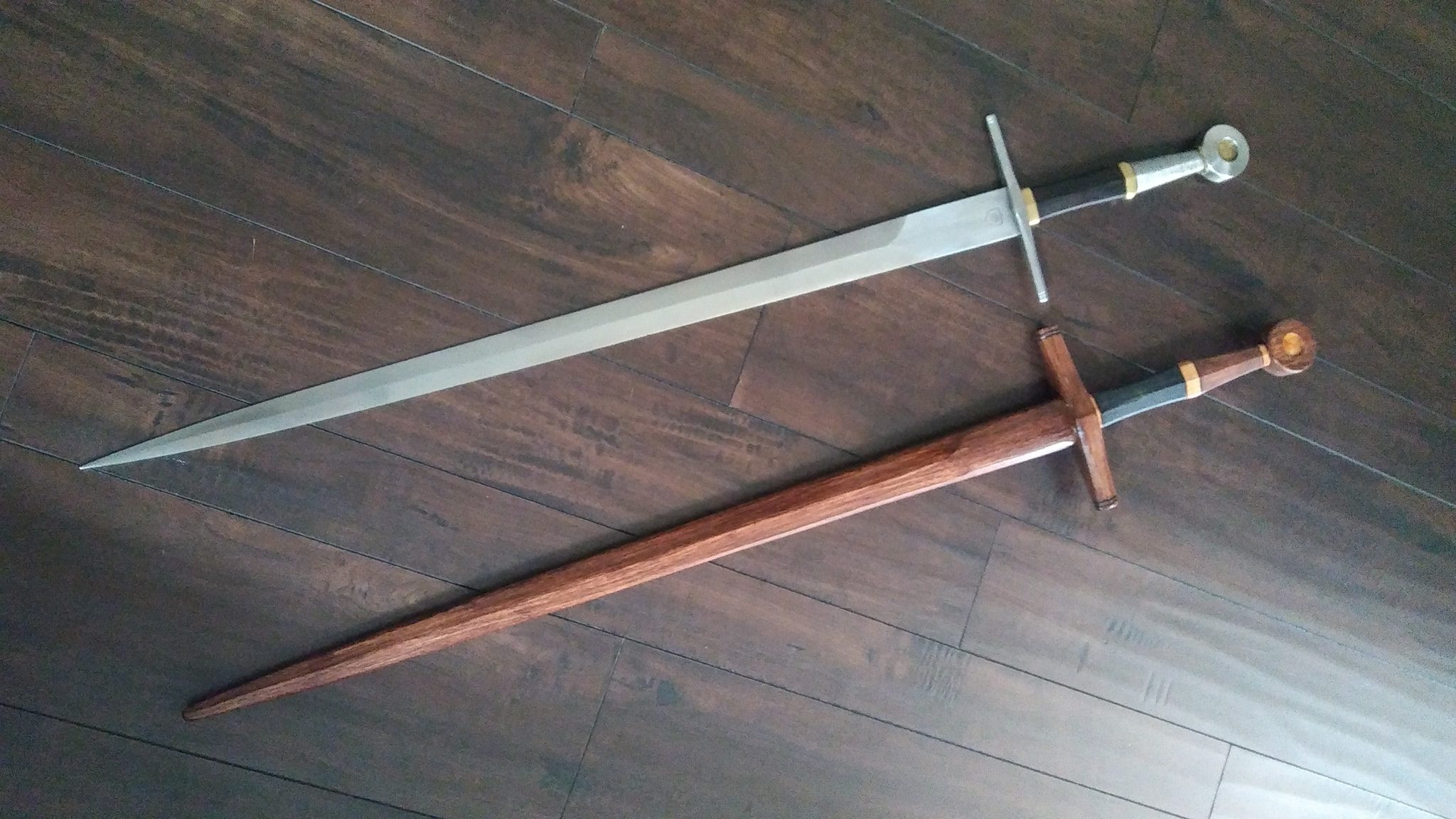
So, as you can see, when searching for the perfect sword, it really depends on the variables. What’s it made of, what armor does it have to be against, is it used with a shield or from horseback, are all vital variables in choosing the perfect sword. So, with this in mind, we can say that there probably isn’t a perfect sword overall, but instead, a perfect sword for a certain set of variables.
Chris Fields has trained in martial arts and various forms of swordsmanship for 29 years, and instructing for 23 years, including choreography for various stage, theater, and film. Chris is critically acclaimed for his choreography work in the St. Petersburg Shakespeare Company production of Hamlet and Richard III, as well as various works in independent film and film festivals throughout the southeast.
Chris is also a sword maker and smith of 25 years, and owner of Sterling Armory, providing quality functional swords for various industries. When not working on swords and martial arts, Chris is a Senior Aerospace Engineer working for Honeywell Aerospace, a NASA subcontractor and affiliate.
Combat Corner
What Makes the Brienne of Tarth Vs the Hound Such a Great Fight Scene
Despite the negative backlash from its final season, Game of Thrones was and still is a magnum opus that broke new ground for storytelling for the small screen. There have been countless battle scenes throughout the seasons with people arguing over which one is the best. Is it Battle of the Bastards? The Battle at Black Water? Or is it The Battle for Winterfell? Everyone seems to focus on the large-scale battles, and often overlook the small one on one battles sprinkled throughout the series. One of the best fight scenes in the entirety of the show is Brienne of Tarth versus The Hound.
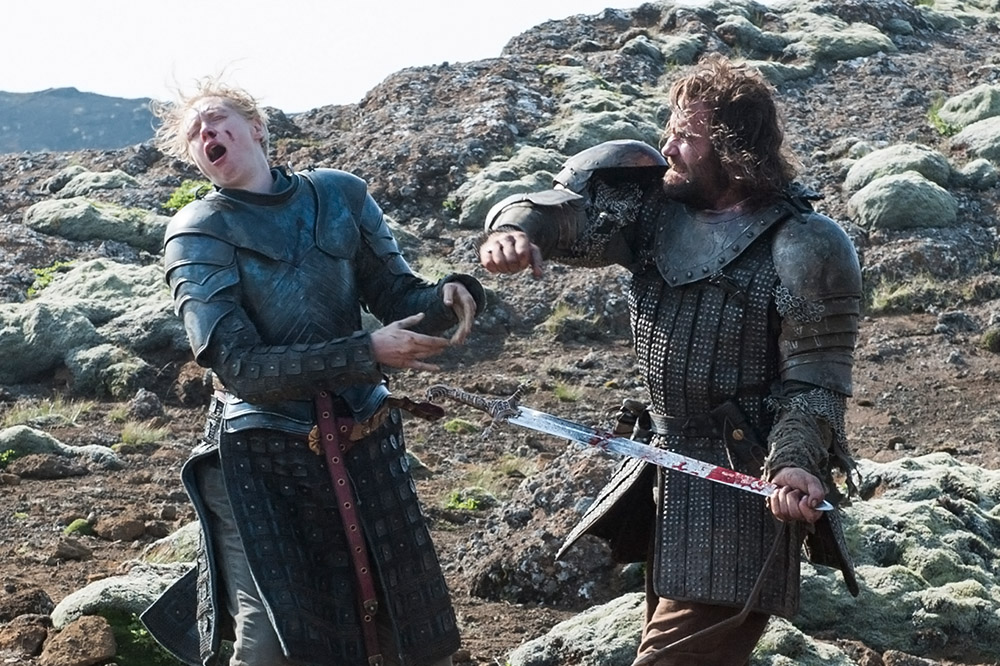
Game of Thrones has always defied expectations in exciting and scary ways by placing characters in dangerous and often unpredictable situations. What makes the battle between Brienne and The Hound so exhilarating is that they are both fan favorites being pitted against each other in deadly combat. The stakes are high in this universe and at the time of airing, it seemed like no one wanted anything horrible to happen to either character. But when titans collide, the results are often devastating.
The lead up to this fight makes it all the more devastating. Over the course of almost an entire season, The Hound and Arya develop an odd couple father and daughter type relationship. Arya despises The Hound and even has him on her list of people to kill. Yet over the course of their journey, we see the pair’s relationship develop into an odd sense of trust. Even though they may not say it directly, they admire each other.
While this story unfolds, Brienne continues her quest to uphold her oath to Catelyn Stark to find Lady Stark’s daughters and return them to Winterfell. When Brienne stumbles across Arya and the Hound she believes that her quest is finally over. As Brienne tells Arya that she’ll take her to safety, The Hound reminds Brienne of all the Stark family members that have been killed. “There’s no safety…. If you don’t know that by now, you’re the wrong one to watch over her.”
With that line, the two begin to fight in one of the most brutal and gut-wrenching fights of the series. Each slash, parry, and punch carry so much physical and emotional weight behind it. As Brienne bests The Hound in sword combat, The Hound switches things up to hand to hand combat by grabbing the blade of her sword with his bare hands and ripping it out of her grip.
As they begin the hand to hand fight, each one of their punches and kicks feel devastating to the viewer. Eventually, Brienne is able to grab a rock and repeatedly smash it over The Hounds’ head, sending him over the edge of the mountain and falling to what looks like his death. The win is ultimately a Pyrrhic victory for Brienne of Tarth as Arya escapes.
What makes this one of Game of Thrones best fight scenes is the emotional toll that it leaves on the viewer. The fact that these two powerhouses and fan-favorite characters were pitted against each other in the first place is a testament to the subversive writing of the series. The fight itself is painful to watch on multiple levels. That’s what makes it one of the greatest battles in the entire series
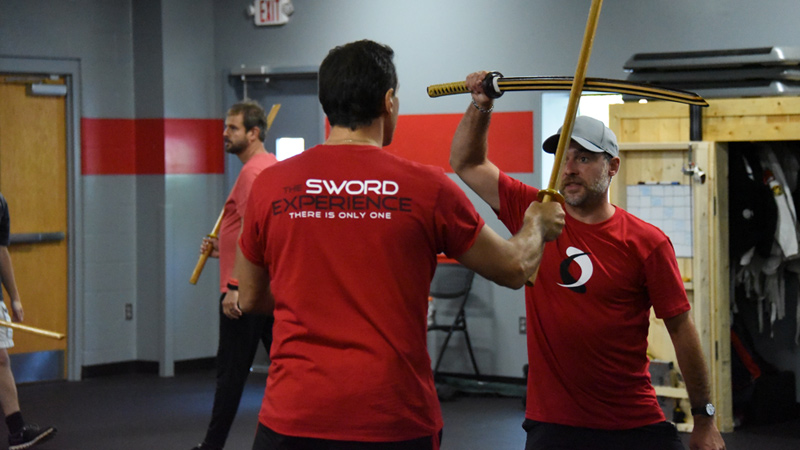
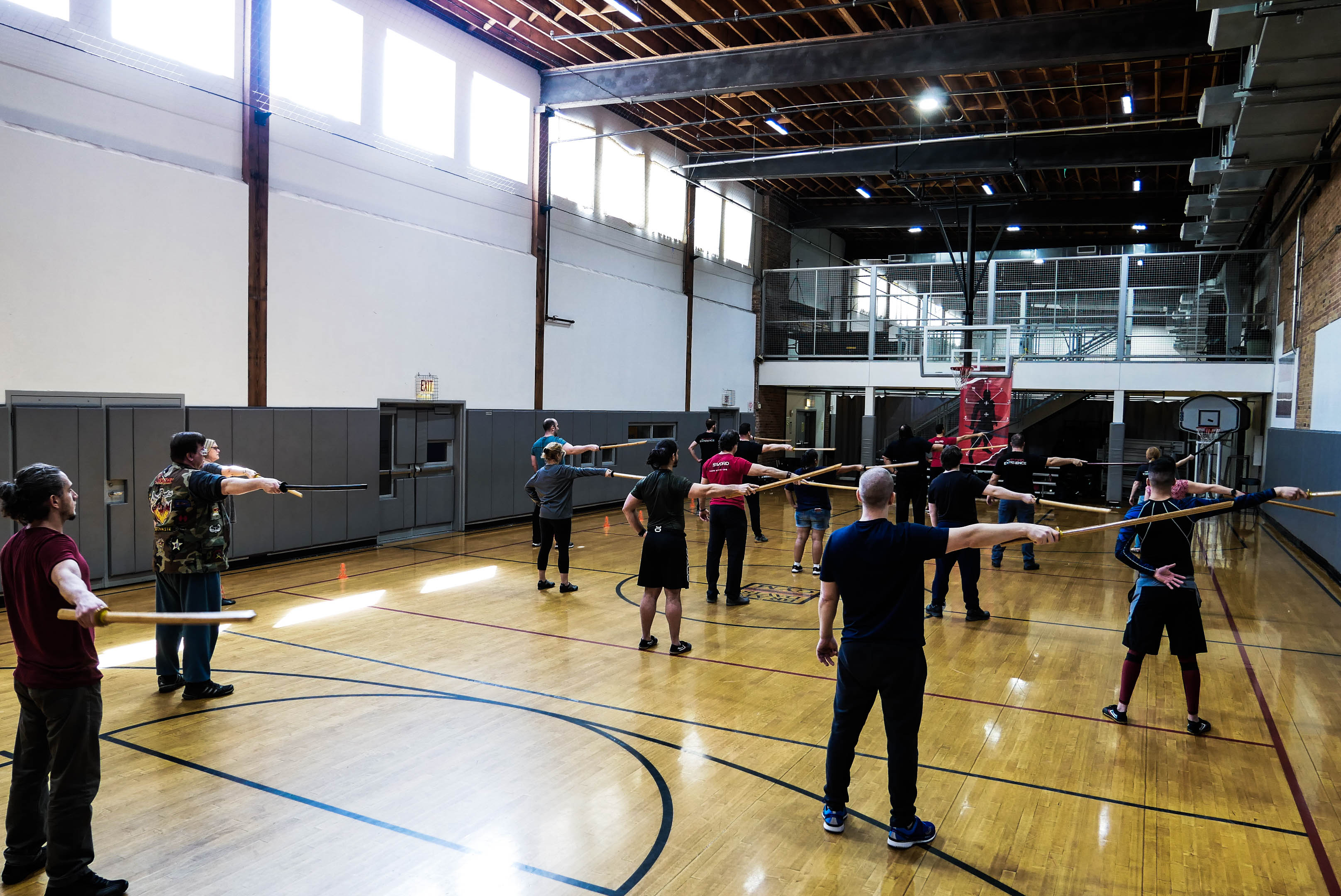
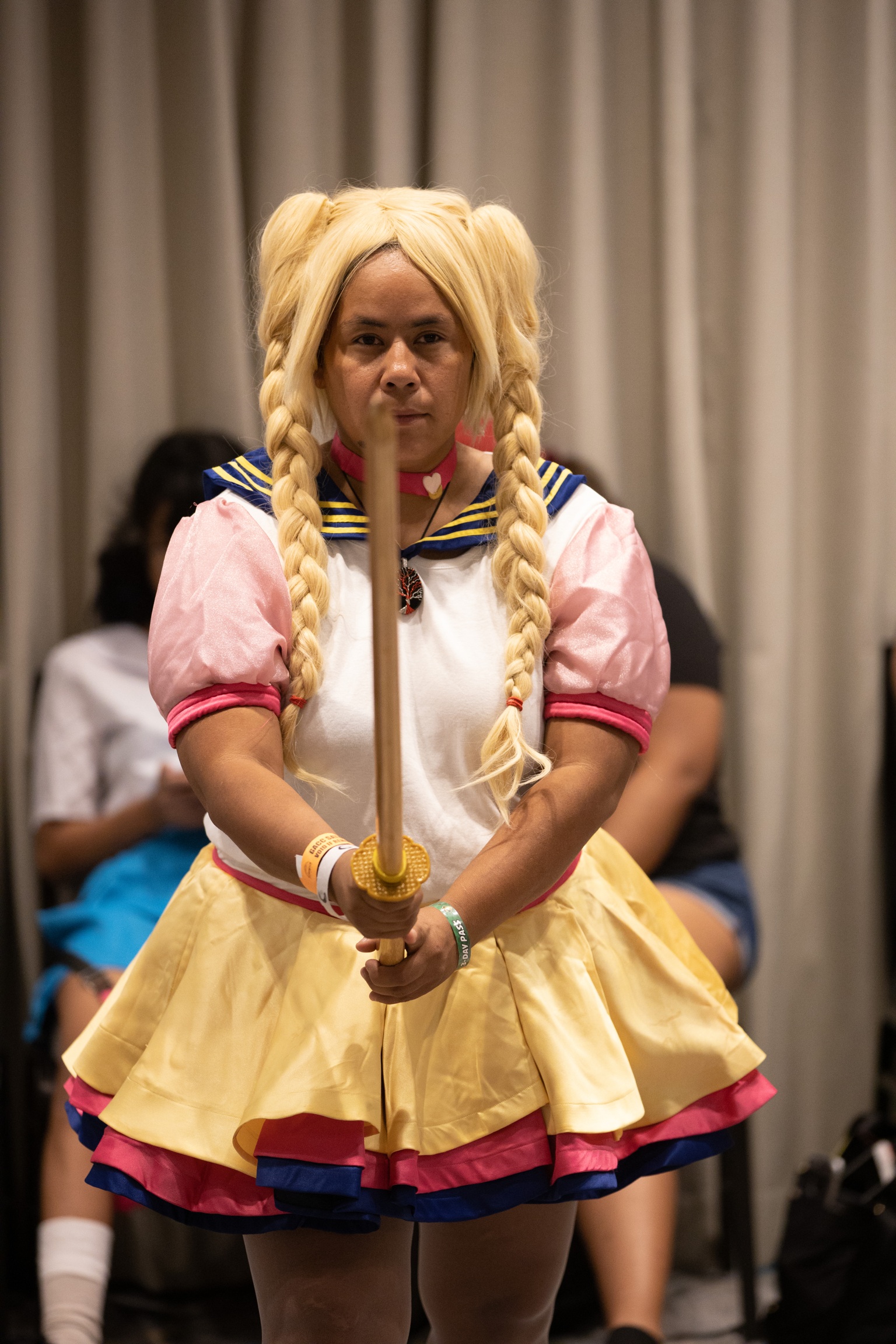


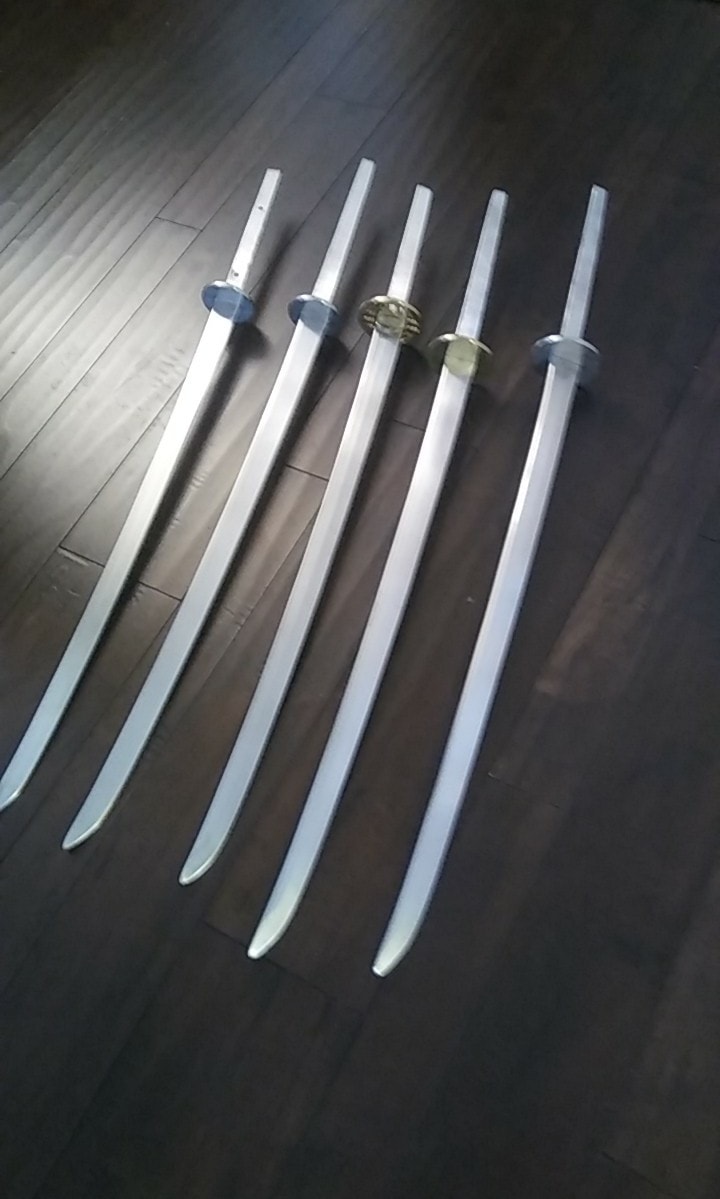

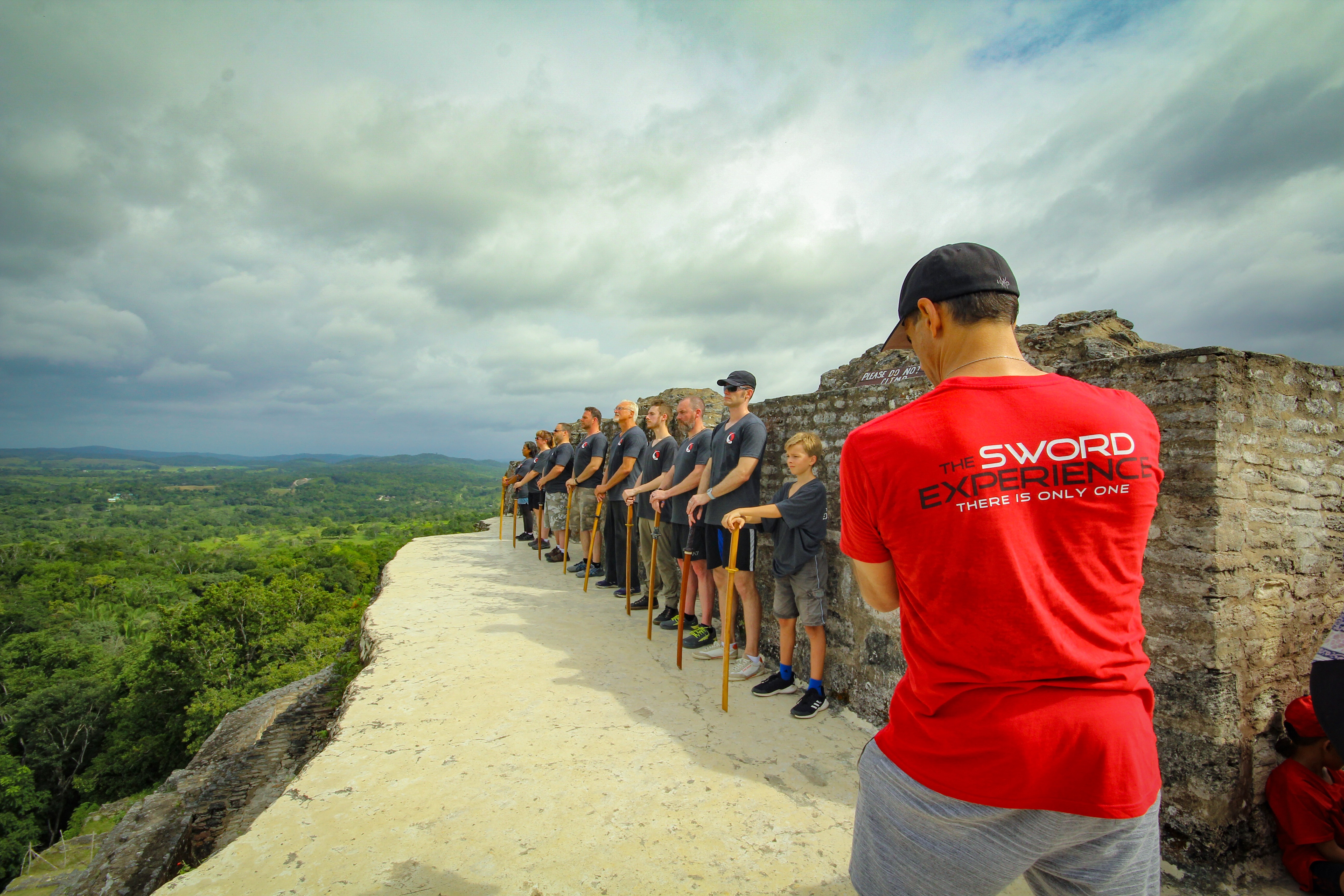
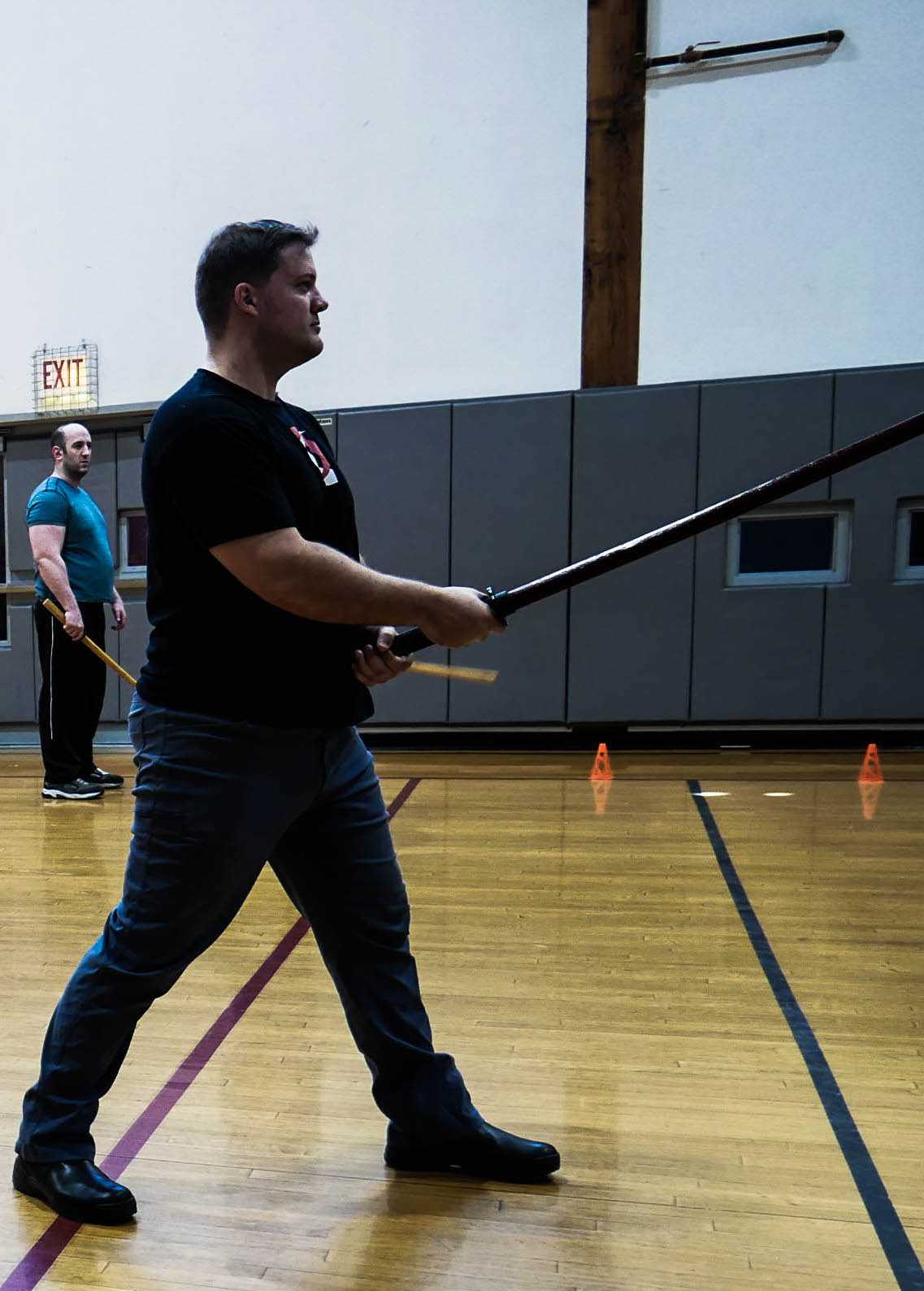
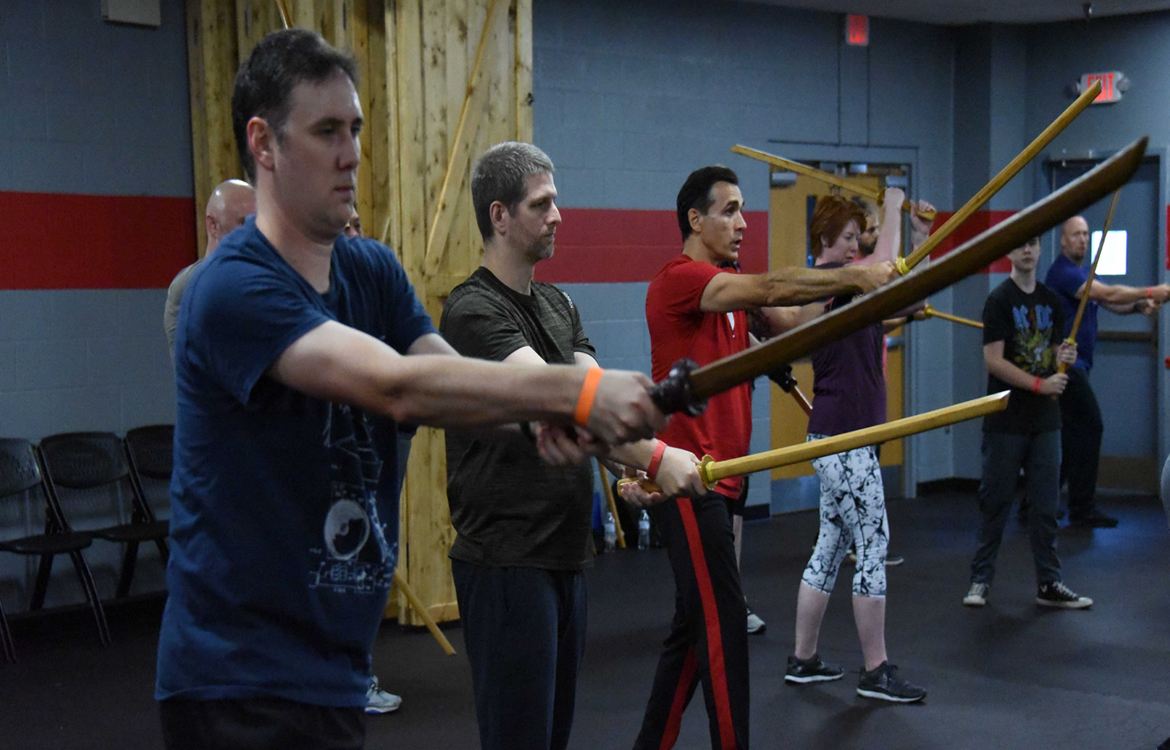



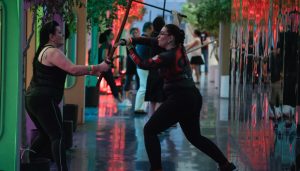
 I went to college in Philadelphia, and lived there for about 9 years before I made my way to Texas in 2010. Perhaps fittingly, my martial arts background is as varied as the places I’ve lived. In my hometown, several friends and I got into ‘boffer’ fighting – we’d take PVC pipes, wrap them with pool noodles and duct tape, and make swords. This was little more than a bunch of guys hitting each other with padded sticks, but definitely solidified my love for weapon combat. In Philadelphia I took classes at Zhang-Sah Martial Arts, in a system that combined multiple styles into one; we studied a mix of Tae Kwon Do, Karate, Judo, and Aikido. I studied with them for 5 years, and was able to receive my black belt. During this time, I also was exposed to SCA (The Society for Creative Anachronism) combat, and did their heavy fighting (rattan weapons, metal armor) for about 3 years as well. There was an unfortunate lull in my training from when I moved to Texas until I found HEMA, but in 2014 I met some crazy guys in a park, swinging metal swords at each other, and was hooked.
 To me, this is part of him defining his system, saying that you need to be able to wrestle, that you should be able to fight with a polearm, a spear, a sword and a knife. Only after that, do we teach you how to use longsword. This also is a large reason why our classes are set up the way they are. However, if all we had was this poem, we’d be in a lot of trouble. His verses areintentionally vague and confusing. If you know what he’s talking about, it’s clear, but if you don’t, it’s all but useless. Fortunately, some of his students wrote their own manuscripts, or fechtbooks. These are glosses of the zettel, where they will transcribe the poem, but then have multiple plays describe what the passage means. It is from these plays that we are able to begin to understand the art of fencing as Lichtenauer describes it.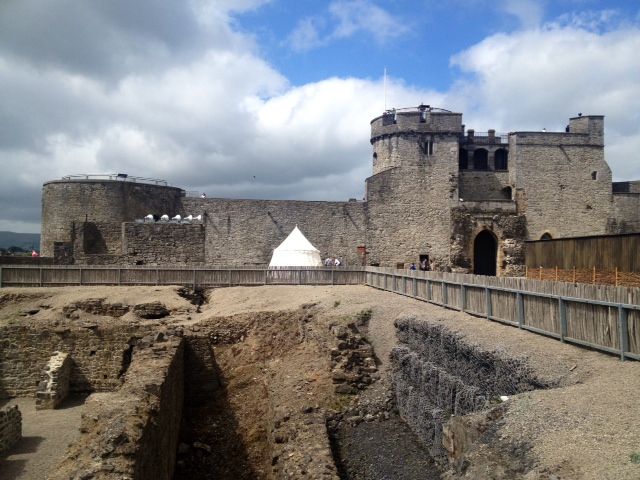
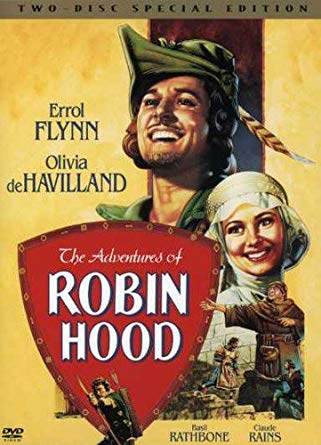
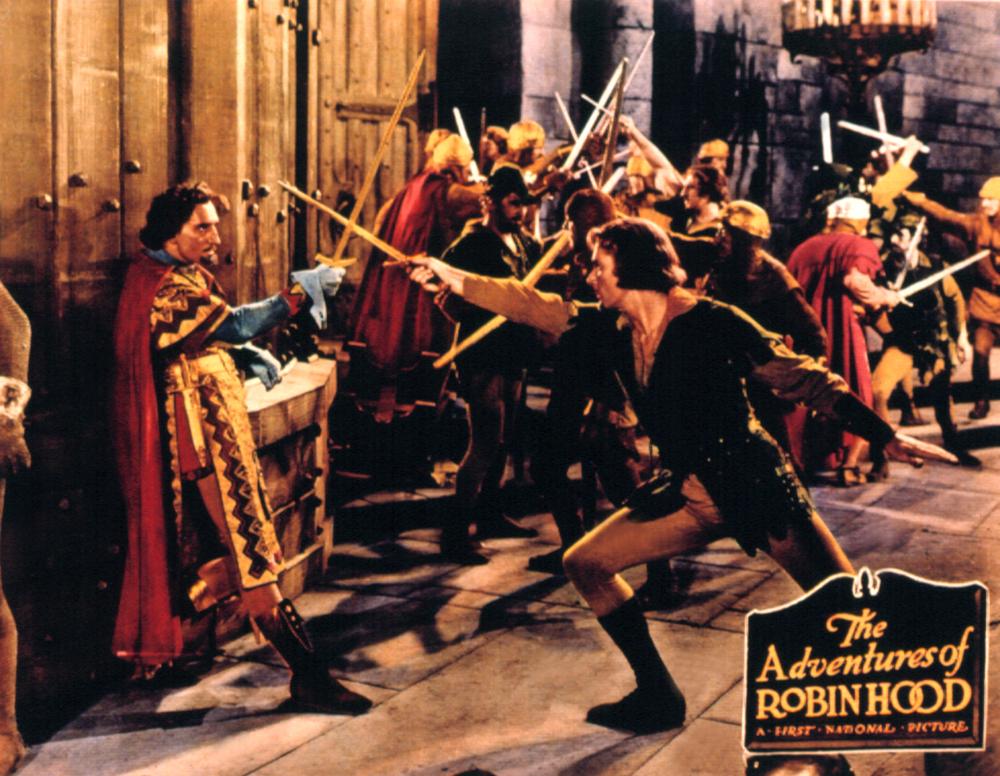 Cravens had a specific vision for how the sword fights would play out on film. He choreographed the fights as a sort of dance between swords with counts and phrases. The fencing techniques in the film were ahead of their time and were eventually incorporated into real fencers’ repertoire of moves. When put to film, Cravens choreography reached an epic scale as the cinematography captured every glorious parry and lunge creating one of the most iconic sword fight scenes in cinema history that is both grand and intimate. Errol Flynn’s depiction of Robin Hood became such an instant hit, that his image of Robin Hood became a part of the world’s collective conscious. When most people think of Robin Hood the image that pops into their head is that of Errol Flynn’s costumed Robin Hood. This image has been often parodied or imitated in countless films including Disney’s 1973 animated film Robin Hood. In 1995, the film was selected by the Library of Congress for preservation and was placed in the National Film Registry. It is these reasons that Adrian Paul chose The Adventures of Robin Hood for the choreographed sword fight you will learn on the grounds of King John’s castle in Ireland.
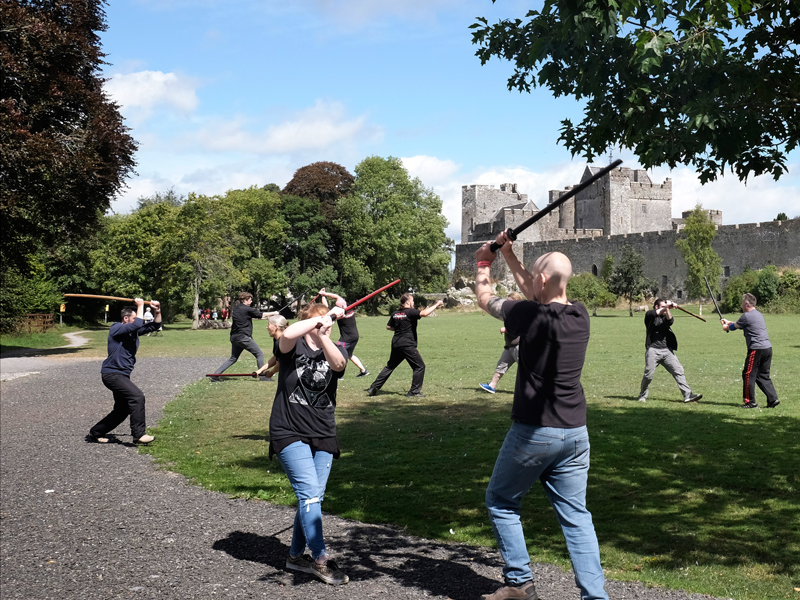 You’ll also meet like-minded world travelers,whoshare your love of physical fitness, travel, and film. Who knows, like many of our past experiences, you too mightform newfound friendships with people from all across the globe! So why wait for next year? Ireland maybe a stone’s throw away for some but even if it isn’t, travelling to Ireland is an experience to remember. Personally, becoming the hero of my own Robin Hood story and takingmy next travel adventure to the next level with a The Sword Experience trip to Limerick, isn’t something I would want to miss.